

How to Clean Chicken Coops to Prevent Mites
Last Updated: 19 November 2026
Quick Summary
To clean chicken coops to prevent mites, muck out all bedding and droppings weekly, scrape and scrub every surface with a poultry-safe detergent, rinse and dry fully, then apply a poultry-safe treatment before adding fresh bedding. Mites are most active from February to October, so keep this routine going all year. A monthly deep clean is also beneficial, if you can take the coop apart even better - a warning though, wooden coops have places you can’t get to, eg the corners and roof to wall joins, omlet coops have hidden crevices and voids.
- Mites hide in cracks, under perch ends, nesting box joints and along roosting areas.
- Use a poultry disinfectant, diatomaceous earth powder and a red stop product for year-round prevention.
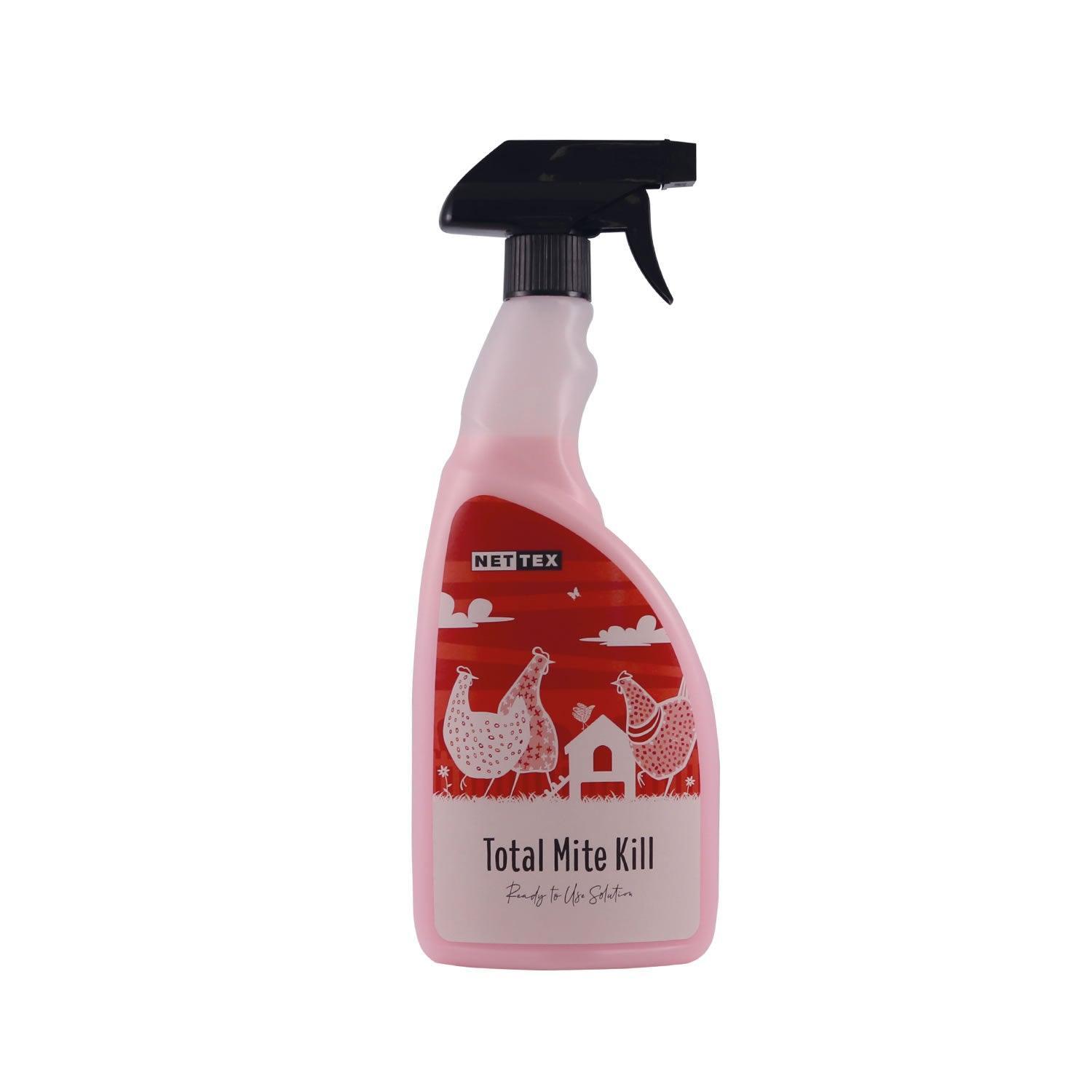
- Nettex Total Mite Kill is applied to the coop rather than the birds.
- Never mix treatments or double up on sprays in one session.
- Chartley Chucks offers a 30-minute advice chat on keeping and caring for chickens.
Table of Contents
- A Step-by-Step Chicken Coop Cleaning Routine to Prevent Mites
- Where Red Mites Hide in a Chicken Coop
- Choosing a Chicken Coop Disinfectant and Getting Rid of Red Mites
- Frequently Asked Questions
A Step-by-Step Chicken Coop Cleaning Routine to Prevent Mites
Learning how to clean chicken coops to prevent mites means more than a quick sweep. Mites are most active from February to October, and a weekly routine keeps them from taking hold.
Empty, scrape and scrub every surface, rinse and dry fully, then treat, weekly.
Muck out first. Remove all bedding, litter and droppings, and bag them straight away, mites hide in the muck.
Scrape and scrub next. Work a scraper into perches, nesting boxes and corners, then scrub every surface with a poultry-safe detergent, focusing on cracks and crevices.
Rinse and dry fully. Rinse thoroughly and let the coop dry completely before anything goes back in.
Treat, then replace. Apply a poultry-safe treatment, then add fresh bedding and nesting material.
For a deeper preventive routine, see our guide on how to prevent red mite in chicken coops.
Follow this weekly routine to keep mites from taking hold in your coop.
Step |
What to do |
Frequency |
|---|---|---|
Muck out |
Remove all bedding, litter and droppings, bag straight away |
Weekly |
Scrape and scrub |
Scraper into perches, nesting boxes and corners; scrub with poultry-safe detergent |
Weekly |
Rinse and dry |
Rinse thoroughly and let the coop dry completely |
Weekly |
Treat and replace |
Apply poultry-safe treatment, then add fresh bedding and nesting material |
Weekly |
Where Red Mites Hide in a Chicken Coop
Red mites hide in dark, tight spots: cracks and crevices, under perch ends, nesting box joints and along roosting areas, so a clean-looking coop can still be crawling.
Our red mite health range gathers the treatment options in one place.
Choosing a Chicken Coop Disinfectant and Getting Rid of Red Mites
Prevention and treatment are different jobs. For year-round prevention, use a poultry disinfectant, diatomaceous earth powder and a red stop product as part of your routine.
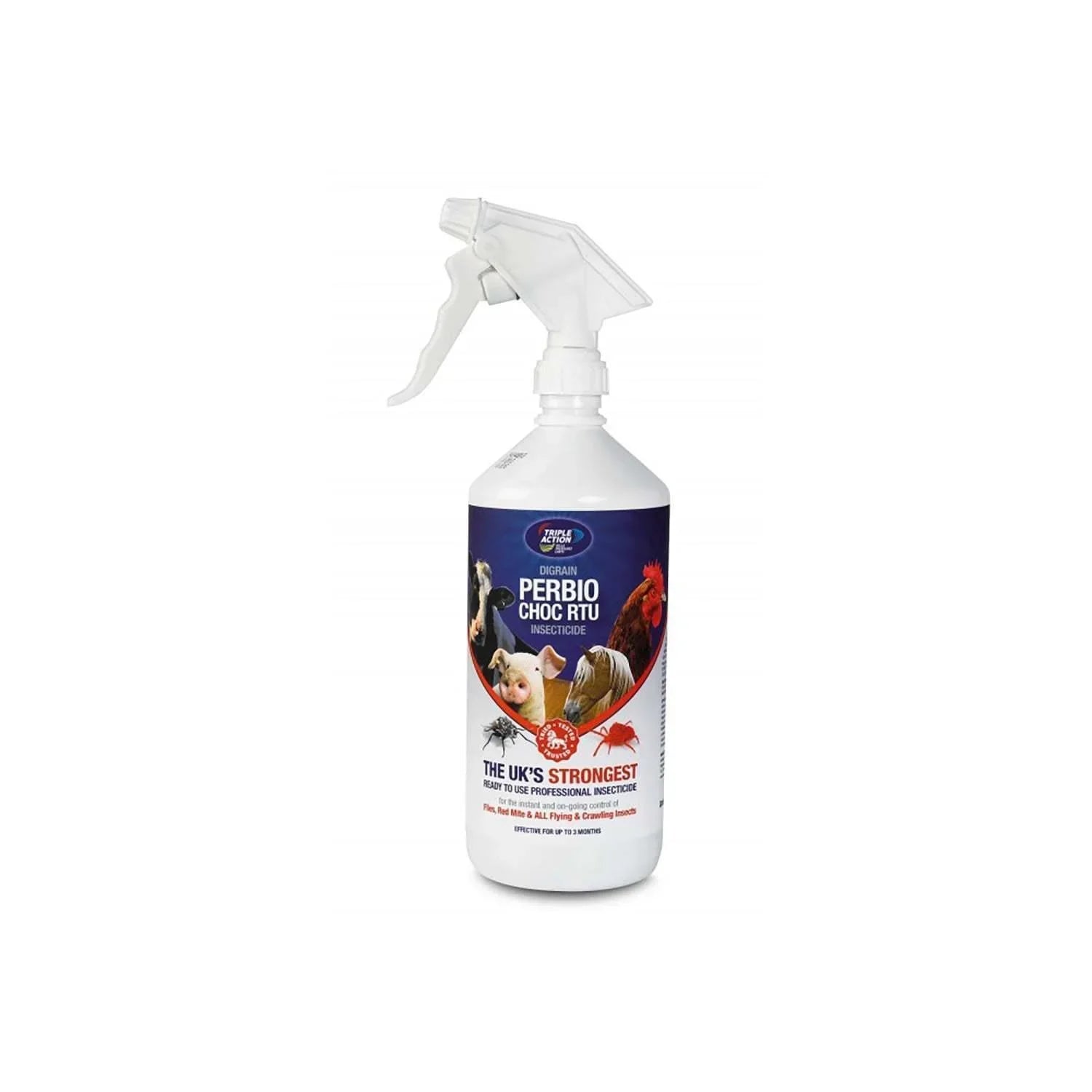
For mites already in the coop, use Nettex Total Mite Kill for poultry at £13.25, applied to the coop rather than the birds. For really bad infestations, step up to Perbio Choc red mite insecticide.
A coop disinfectant such as Johnson's Virenza disinfectant spray at £5.39 handles the cleaning side.
Never mix treatments or double up on sprays in one session. Read the label, apply as directed, and let the coop dry fully before birds go back in. If you're unsure which product suits your setup, Chartley Chucks offers a 30-minute advice chat on keeping and caring for chickens, and can arrange UK delivery or collection of what you need.
Mites are a year-round fight, not a spring one. Build the clean, treat and check routine into every week and you stay ahead of them. Chartley Chucks supplies the products that make it work, including Nettex Total Mite Kill, Perbio Choc for severe cases, and poultry-safe disinfectants, all with UK-wide delivery. Get started with Chartley Chucks and keep your flock clear of mites.
Frequently Asked Questions
How often should you clean a chicken coop to prevent mites?
A weekly routine keeps on top of droppings and damp bedding, with a full muck out and disinfectant wash every month or so. Mites are most active between February and October, so raise the frequency in those months and check perches and nest boxes each time you clean. A quick inspection with a torch at dusk will show up any early signs before a small problem becomes an infestation.
Where do red mites hide in a chicken coop?
Red mites shelter in cracks, crevices and joints rather than on the birds during the day. Look along perch ends, under nest box lips, in the seams of pop holes and behind felt or loose panels. They emerge at night to feed, so a torch check after dark is the surest way to confirm them. Pay particular attention to porous timber, which gives them the most places to tuck into.
What should you do if you find mites after cleaning the coop?
Treat the housing rather than the birds. A permethrin-based spray such as Nettex Total Mite Kill reaches into cracks and keeps working after it dries, and a stronger product is worth using for a heavy infestation. Repeat the treatment according to the label and recheck perches and nest boxes weekly.

