
7 Natural Ways to Improve Egg Quality in Chickens
Table of Contents
- 1. Feed a Quality Layer Ration: Best Layer Feed for Egg Shell Strength
- 2. Provide Grit and Calcium to Improve Egg Quality
- 3. Boost Omega-3 and Protein with Seeds and Supplements
- 4. How to Improve Egg Yolk Colour Naturally
- 5. Support Gut Health with Cider Vinegar and Herbs
- 6. Reduce Stress to Improve Egg Quality in Your Flock
- 7. Add a Vitamin and Mineral Tonic to Drinking Water
- Conclusion
Last Updated: August 24, 2026
Egg quality is one of the areas where small changes make the biggest difference. The most common question we hear is: "Why are my hens laying pale yolks and thin-shelled eggs?" The answer almost always comes down to nutrition, environment, and habits that are easy to fix once you know what to look for. This guide covers 7 natural ways to improve egg quality in chickens, with practical advice you can act on today.
Quick Picks:
- Best for shell strength: Gastro Grit or oyster shell grit alongside a quality layer ration
- Best for yolk colour: Alfalfa-based feeds and green forage
- Best for overall condition: Vitamin and mineral tonic added to drinking water
| Method | Key Benefit | Effort Level | Typical Cost |
|---|---|---|---|
| Quality layer ration | Foundation nutrition for shell and production | Low | Ongoing feed cost |
| Grit and calcium | Stronger shells, better digestion | Low | £2.50-£7.49 |
| Seeds and Omega-3 | Richer yolks, better protein for laying | Low | £6.35 |
| Natural yolk colourants | Deeper golden yolks | Low | £5.65 |
| Cider vinegar and herbs | Gut health, immune support | Low | £4.95-£7.49 |
| Stress reduction | Consistent laying, better shell integrity | Medium | Low to nil |
| Vitamin and mineral tonic | All-round vitality and egg quality | Low | £5.08-£10.75 |
1. Feed a Quality Layer Ration: Best Layer Feed for Egg Shell Strength
The foundation of good egg quality starts with what your hens eat daily. The best layer feed for egg shell strength is formulated specifically for laying hens, providing the right balance of protein, calcium, phosphorus, and trace minerals. General-purpose poultry feeds or mixed corn do not contain enough of these nutrients to sustain consistent, high-quality egg production.
Each egg requires substantial calcium to form a proper shell, along with amino acids for the albumen and vitamins for yolk development. A quality layer pellet or mash addresses all of these simultaneously. If supplementing with treats, mixed corn, or scraps, ensure they make up no more than a small proportion of the overall diet.
A common mistake is switching feed brands frequently. Inconsistency disrupts gut flora and can temporarily reduce laying. Find a quality layer ration your hens thrive on and stick with it. If you do switch, transition gradually over a week by mixing the old and new feeds together.
According to AHDB Poultry nutrition guidance, the nutritional composition of layer feed directly influences both shell quality and internal egg quality, making feed selection one of the highest-impact decisions a keeper can make.
2. Provide Grit and Calcium to Improve Egg Quality
Calcium is essential for laying hens. It is the primary mineral in eggshell formation, and hens that cannot access enough of it will lay thin-shelled or soft-shelled eggs, or begin drawing calcium from their own bones.
Hens also need insoluble grit to grind their food inside the gizzard. Without it, digestion becomes inefficient, and even nutritionally complete feed cannot be fully absorbed. Free-range hens often pick up grit naturally, but confined birds need it provided separately.
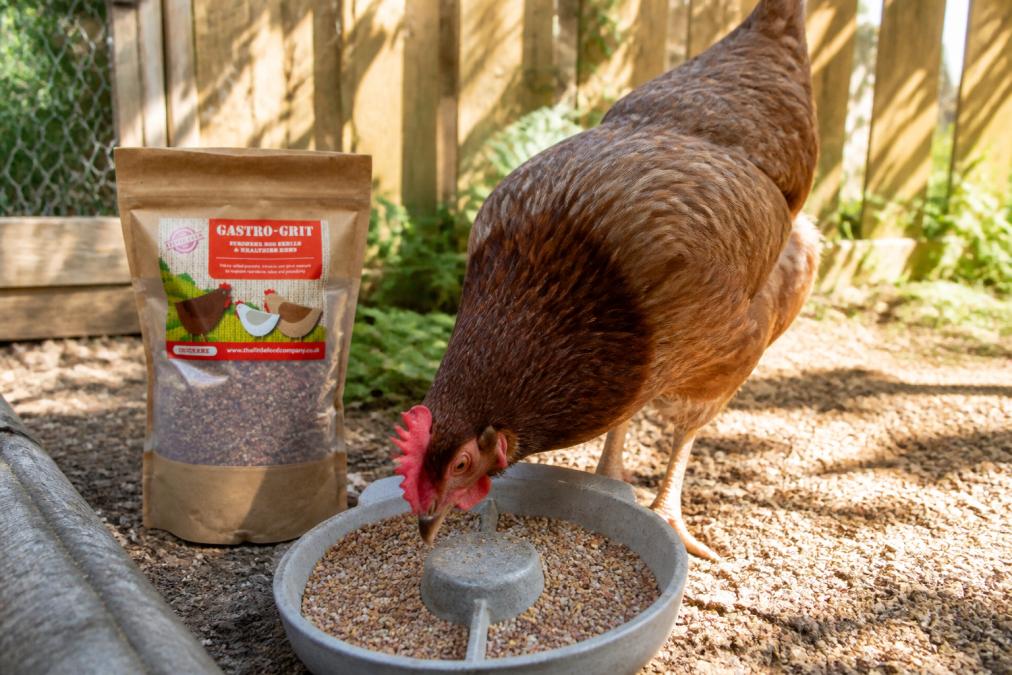
Oyster shell grit is the classic solution. Chartley Chucks stocks oyster shell grit at £2.50 for 2kg, which can be offered in a separate pot so hens self-regulate their intake. For a more comprehensive option, The Little Feed Co Gastro Grit (£7.49) combines over 20 ingredients including high-protein pellets, herb and vegetable extracts, and brewer's yeast, all designed to support a healthy gut alongside shell formation.

Signs of Calcium Deficiency in Chickens to Watch For
Spotting calcium deficiency early prevents long-term damage to your flock. The most obvious signs include:
- Soft or shell-less eggs, the shell membrane is present but no hard shell has formed
- Thin, fragile shells that crack easily when collected
- Reduced laying frequency as the body struggles to complete egg formation
- Lethargy and weakness, particularly in the legs
- Pale combs and general loss of condition
- Hens eating their own eggs, a sign of nutritional desperation
If you observe any of these, increase calcium availability immediately. Offer oyster shell grit ad-lib and review the main ration. Persistent soft shells despite adequate calcium can indicate a vitamin D3 deficiency, which affects calcium absorption.
3. Boost Omega-3 and Protein with Seeds and Supplements
Protein is what builds eggs. The albumen is almost entirely protein, and the yolk contains essential fatty acids that influence both nutrition and colour. Hens on a diet low in quality protein or Omega-3 fatty acids produce smaller eggs with paler, less nutritious yolks.
The Little Feed Co Super Seeds (£6.35) is a blend of seeds and cereals rich in protein, carbohydrates, and oils. Unlike mixed poultry corn, which is primarily starchy wheat and maize, Super Seeds provides genuine protein to support egg production. Feed approximately one tablespoon per bird per day, scattered on the ground to encourage foraging behaviour.

The Omega-3 content in Super Seeds is particularly valuable. Hens with good Omega-3 intake produce eggs with a better nutritional profile, and many keepers notice improved yolk colour alongside it. It is also an excellent tool for taming nervous or rescue hens, as the treat-based feeding builds positive associations with human contact.
Protein requirements increase during the moult. When hens are regrowing feathers, they divert protein away from egg production. Increasing the seed supplement during this period helps maintain condition and shortens the time before laying resumes.
According to British Poultry Council guidance on layer nutrition, Omega-3 fatty acid content in eggs is directly influenced by the hen's dietary intake of these fats.
4. How to Improve Egg Yolk Colour Naturally
Yolk colour is one of the most visible indicators of egg quality, and it is almost entirely determined by diet. A deep golden-orange yolk signals high levels of carotenoids, the natural pigments found in green plants, maize, and certain flowers. A pale, washed-out yolk tells you the hen is not getting enough of these pigments.
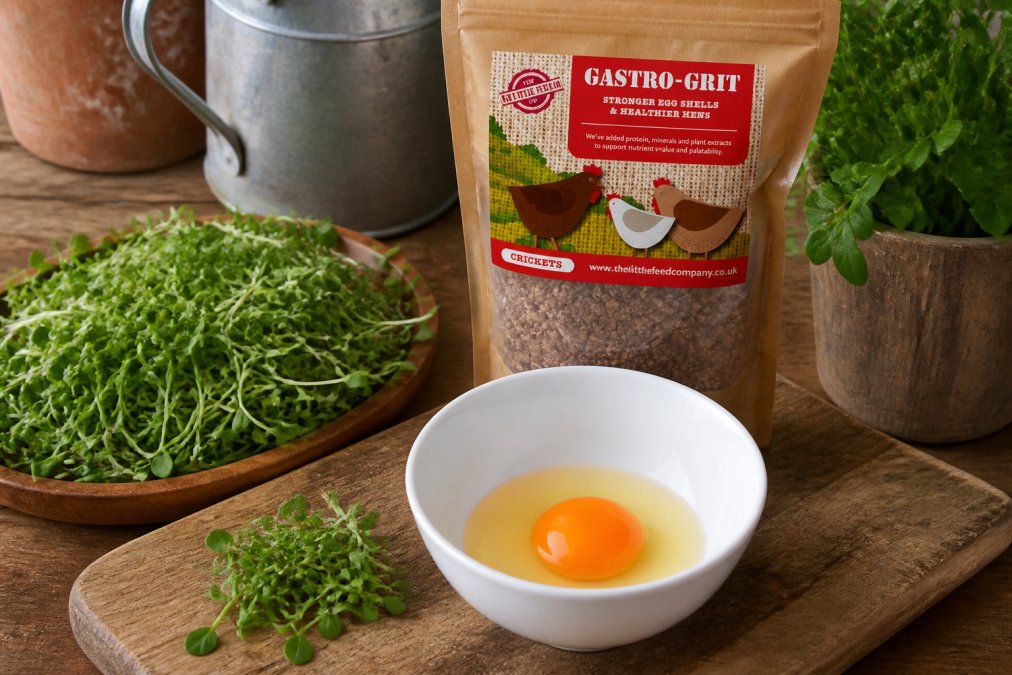
The simplest way to improve egg yolk colour naturally is to give hens access to green forage. Free-ranging on grass, nettles, and leafy plants delivers carotenoids directly. Confined birds need these pigments provided in their feed.
Halleys Hen Blox (£5.65) blends dried alfalfa with wheat, split maize, oyster shell grit, and flint grit. Alfalfa is exceptionally rich in carotenoids, and hens that eat it regularly produce noticeably yellower yolks. The block format also provides entertainment and pecking activity, which reduces boredom in confined flocks.
Other natural sources worth incorporating include maize (sweetcorn), nettles, nasturtium flowers and leaves, pumpkin and squash, and grass and leafy greens. Yolk colour changes seasonally, hens laying in winter with limited outdoor access often produce paler yolks simply because green forage is not available. Supplementing with alfalfa-based feeds during these months compensates for what the garden cannot provide.
5. Support Gut Health with Cider Vinegar and Herbs
A healthy gut is the engine behind everything else. Hens with poor gut health absorb nutrients inefficiently, which means even the best feed delivers a fraction of its potential benefit. Gut health also influences immune function, laying consistency, and resistance to common pathogens.
Organic cider vinegar is one of the most cost-effective gut health tools available. Natures Grub Organic Cider Vinegar (£4.95) is certified organic and available with or without garlic. The feeding guide recommends 20ml per litre of drinking water. Cider vinegar creates a mildly acidic environment in the gut that discourages harmful bacteria and supports beneficial microbial populations. Never use cider vinegar in galvanised metal drinkers, as the acidity corrodes the metal and introduces zinc into the water. Use plastic or ceramic drinkers only.
For a more comprehensive herbal approach, The Little Feed Co Cheer-Up Chicken (£7.49) combines oregano extract, fenugreek, charcoal, cloves, and garlic granules. Oregano is a natural anti-microbial and antioxidant source that supports gut resilience. Feed one to two tablespoons per hen per day during recovery periods.
Global Herbs Nest Box Herbs (£6.50) is sprinkled directly into the nesting area. The aromatic herbs support calm behaviour and discourage mites, creating a more settled environment for laying.
According to The Veterinary Record on herbal antimicrobials in poultry, oregano-based supplements have demonstrated consistent support for gut microbiome health in laying hens.
6. Reduce Stress to Improve Egg Quality in Your Flock
Stress is the silent killer of egg quality. A hen under stress produces less oestrogen, which disrupts the laying cycle and compromises shell formation. The result is irregular laying, thin shells, misshapen eggs, and in severe cases, a complete stop in production.
The sources of stress in a backyard flock are often underestimated. Predator pressure, even when no attack occurs, keeps hens in a heightened state of alert. Introducing new birds without proper quarantine and integration causes sustained stress in the existing flock hierarchy. Overcrowding, inadequate ventilation, extreme heat, and sudden changes to routine all register as stressors.
Practical stress reduction measures include secure housing with no gaps, adequate space (more than the minimum recommended floor space per bird), consistent routine, gradual introductions, and shade and ventilation in summer. When stress events are unavoidable, such as a house move or new bird introduction, the Poultry Tonic Stress/Heat Support (£5.45) provides essential vitamins and electrolytes specifically formulated for poultry. The real difference between a flock that lays consistently and one that does not often comes down to how settled the birds feel.
7. Add a Vitamin and Mineral Tonic to Drinking Water
Vitamin and mineral deficiencies develop gradually and are easy to miss until they become obvious problems. Hens that look healthy can still be operating below their nutritional optimum, producing eggs with weaker shells, paler yolks, or reduced albumen quality.
Adding a tonic to drinking water is one of the simplest ways to close nutritional gaps across the whole flock simultaneously. The Nettex Poultry Vitamin Boost Tonic (£10.75) is formulated specifically for poultry and contains seaweed for egg quality and yolk colour, plus biotin to support healthy skin and feathers. Use it at 5ml per 4.5 litres of water.

For a broader-spectrum option, Country Living Vital Vits+ (£5.08) provides a concentrated source of vitamins, minerals, and amino acids. Dilute 10ml per 10 litres of water. It is particularly effective during heat stress, after transport, during infection, or whenever the diet changes.
In practice, rotating between these two tonics across the year, rather than relying on one exclusively, gives the flock a broader nutritional safety net. Prepare fresh tonic water daily, as vitamins degrade in sunlight and warm water. Clean drinkers every day when using water-soluble supplements.
Hens that spend time outdoors in natural daylight synthesise their own D3, which is critical for calcium absorption and shell quality. Birds kept indoors during winter or in low-light conditions benefit most from a tonic that includes D3 in its formulation.
According to RSPCA guidance on poultry nutrition and welfare, access to a varied and nutritionally complete diet is one of the five fundamental welfare needs for kept poultry, with vitamin and mineral adequacy directly linked to productive health and wellbeing.
Improving egg quality in your flock does not require expensive interventions or a complete overhaul of your setup. The seven methods above address the most common causes of poor shell strength, pale yolks, and inconsistent laying. Chartley Chucks stocks the full range of feeds, grit, supplements, and tonics covered in this guide, with UK-wide delivery available. Whether you are starting with oyster shell grit at £2.50 or building a complete supplement programme, the products are ready to order today.
Frequently Asked Questions
What natural supplements improve egg shell quality?
Calcium is the most important nutrient for strong shells. Oyster shell grit, available for as little as £2.50 for 2kg, is the simplest way to supply it. Upgraded options like Gastro Grit (£7.49) combine calcium with proteins, minerals, and plant extracts for added gut support. Feed grit in a separate pot so hens can self-regulate their intake. Vitamin D also plays a role, so ensure hens get adequate daylight or supplement during winter months.
How does diet affect the nutritional value of chicken eggs?
Diet directly influences yolk colour, shell strength, and omega-3 content. Hens fed alfalfa, maize, and leafy greens produce deeper-coloured yolks richer in carotenoids. Seeds high in omega-3, such as linseed, raise the fatty acid content of the egg. A complete layer ration ensures adequate protein for albumen quality. Supplementing with a vitamin tonic adds micronutrients that a standard pellet diet alone may not fully supply, particularly during winter or moulting.
Can stress impact the egg quality of my hens?
Yes. Stress triggers the release of corticosterone, which disrupts the laying cycle and can cause thin shells, misshapen eggs, or a temporary halt in production. Common stressors include introducing new birds, predator disturbance, extreme heat, and overcrowding. Reducing these triggers, providing nest box herbs to encourage calm behaviour, and using an electrolyte tonic during heat or flock changes all help hens recover their laying rhythm and maintain consistent egg quality.
How often should I provide grit to my laying hens?
Grit should be available at all times, offered in a separate container rather than mixed into feed. This allows each hen to consume the amount she needs. Hens on a free-range setup pick up some natural grit from the ground, but this is rarely sufficient on its own. Hens fed solely on pellets still benefit from soluble grit like oyster shell to meet their calcium demands. Check and top up the grit feeder at least twice a week.
Do free-range chickens produce better quality eggs?
Free-range hens generally produce eggs with deeper-coloured yolks because access to grass, insects, and varied forage increases carotenoid and protein intake. Shell strength, however, depends more on calcium supply than ranging behaviour. A free-range hen with poor grit access can still lay thin-shelled eggs, while a well-supplemented housed hen can produce eggs with excellent shell integrity. The best results come from combining free-range access with a proper layer feed and calcium supplement.
This article was written using GrandRanker
